Conversation Themes
Choose Theme
What is a Successful SJA Program

For 100 years, young people have joined the St John Ambulance Youth and Cadet program for many reasons — learning first aid, making friends, and giving back to their community. These stories share what motivated them to join and stay part of this remarkable program.
Listen to our stories
- 0.5x
- 0.8x
- 1x
- 1.2x
- 1.5x
- 2x
View Transcript
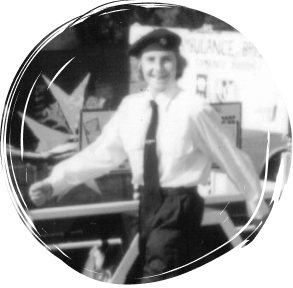
Malcom Knight: What would make a program successful is one, I guess that gives young people a structure and framework to live within. Because everybody wants to know where the boundaries are, kids wanna know where the boundaries are. Something that brings people together and makes them form part of a team.
Sally Hasler: I loved my involvement with St. John’s. So I suppose when I look back now retrospectively, it would’ve provided me with lots of things that were great as a young person. So it was a learning opportunity and an opportunity to build new skills. I had lots of friends in St. John. It was lots of fun. It was quite different from what I was doing at school. So we used to do scenarios involving pretend car accidents and learning first aid and doing, you know, even back then there was quite a strong focus on drill and uniform and even, you know, nursing skills and all sorts of things, and that was quite a different experience as a young person.
Carl Graham: I think the key thing with the cadet program is it needs to focus on, you know, building life skills. So building personal resilience, but also building, you know, using healthcare, you know, first aid as a framework, but around that it’s building those abilities to make decisions in, time, short environments, you know, standing by your convictions, having the options to develop projects so you can actually show that, you know, anything’s possible.
Melissa Oxley: I guess why we started all stating cadets was because he treated us like we were as good as the adults. And I guess that’s something that’s another important point. Often back in though that era of St. John’s, we often weren’t considered necessarily equals to an adult. Even when I was 15 and did my adult first aid certificate and I had the blue, I think, and you’re a cadet and you do your adult certificate, you get to wear blue on your EPS or something to denote. I’ve done the same training as an adult.
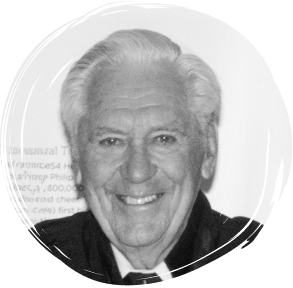
David Heard: Our training was to the stage where we’d go along to our meetings and we had a medicine ball that we used to throw around for a few minutes and then we chuck it away and get serious with the first aid training and division and the team in the state competitions every year. And we actually took out the title 12 years in a row.
Jodie: When you do achieve, you know, different status in St. John and you have good leaders like we did, they let you take charge of a first aid situation. They almost stand back and make sure no one interferes with what you are doing, treating that person. So that’s one of the other attributes of the leaders that we had.
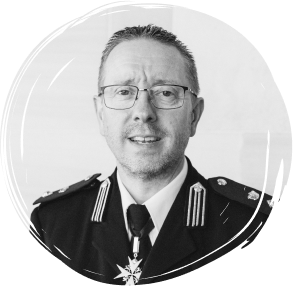
John Ward: Run radio systems, how to install radios, how to in cars, how to put ’em on antennas, you know, like I did all sorts of things that had nothing to do with, like, putting bandaids on, you know, so it the first aid side I think, you know, is really important, it’s probably the underpinning. But it just gives you so many other things you can go off and do, you know, from riding bikes to all sorts of things.
Jo-Anne Crennan: So we need the adults to have faith in what we do for us to be able to develop. And then you need the adults who are willing to help support the weekly meets. Help also with, if we do competitions, camps, badges, because it’s the adults who actually run those programs to support us.
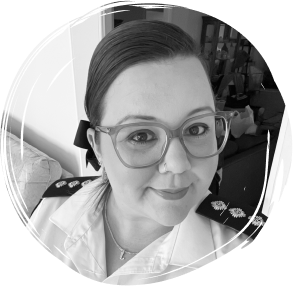
Jessica Robson: You wanna be able to, the youth to be able to be somewhere and be confident in what they’ve learned. You want them to have fun as well. So you want them to make the friends that you’ve made.
Melissa Oxley: You know, we had aspirations and giving children at that age, you know, something to work for and strive for and, you know, ultimately attain. And then you can only hold it for a certain amount of time and then you move up and that frees up for someone else. And so, that keeps, you know, most of us in the division for a longer amount of time.
Robert Wilson: Just being in that environment, learning first aid and learning to help people, I was really interested in and it started to give me what I wanted to do in my life.
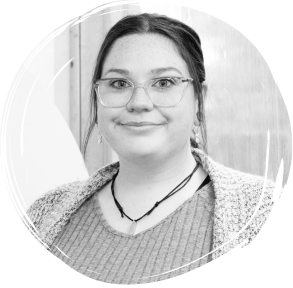
Rachel Crennan: There’s so many opportunities within it, like you’re not just doing your weekly lessons and stuff like that, but you do get to do the competitions. You get to go out and do duties and experience so much within the duties.
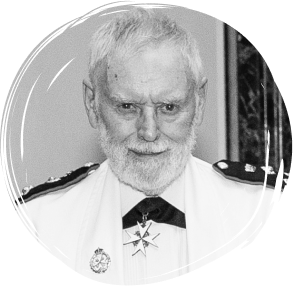
Allan Mawdsley: You have cadets because having cadets is something that cements the value of the organization for them in particular, but, for the society at large.
What is a Successful SJA Program conversation
Contributers
David Heard

1944
Allan Mawdsley
1949
Malcolm Knight
1980

Robert Wilson
1981

Jo-Anne Crennan
1983
Carl Graham
1985
John Ward
1986
Melissa Oxley
1987
Jessica Robson
2003

Damian Kaushik
2009
Stephanie Ave
2009
Rachel Crennan
2009
Jodie
Sally Hasler
