
Conversation Themes
Choose Theme
Career Impacts

For 100 years, young people have joined the St John Ambulance Youth and Cadet program for many reasons — learning first aid, making friends, and giving back to their community. These stories share what motivated them to join and stay part of this remarkable program.
Listen to our stories
- 0.5x
- 0.8x
- 1x
- 1.2x
- 1.5x
- 2x
View Transcript
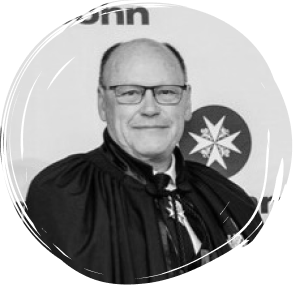
Noel Hender: When I was with the cadets, I was promoted through to the rank of corporal, which was a leadership position for young people and still is. And that required me to not only do some preparation and planning to pass a certificate course, but also it required me to do some simple instruction of these, you know, basic skills with my peers. And, in doing so I found that I was quite, probably reasonably competent in that skill in itself. And it was something I got a degree of satisfaction out of. So it probably helped me in terms of, you know, the nerves and worry of standing up and speaking to a group that we all have from time to time. It gave me some experience in that and realizing that, you know, I could actually do it.
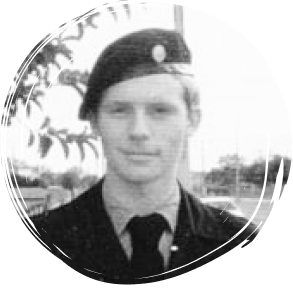
Robert Tremethick: In my 17th and a half year I commenced my adult ambulance officer training. I turned 18 in September and I graduated from the ambulance officer training center as a fully qualified ambulance officer as an 18-year-old in December of 78. So that’s my beginning of being an ambulance officer.
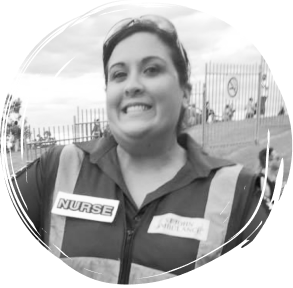
Steph Ave: If it wasn’t for St John, I wouldn’t be the nurse that I am today. Yes, you’ve got unis that help out and subjects and things like that, but having that hands-on experience and one-on-one experience that you have with senior clinicians in the organization, you just mainly can’t buy that sort of experience.
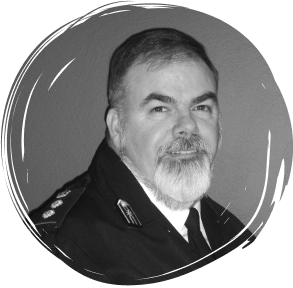
Alan Brown: Well, that opened my eyes to nursing as a career. I am still a nurse. I’m still practicing. I am not doing hands-on nursing. I think the community’s probably happy about that. But, currently I’m running a small nursing school.
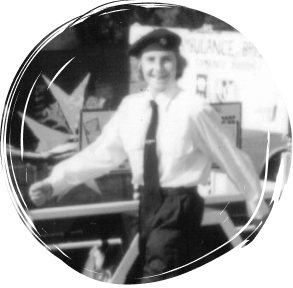
Malcom Knight: It was such a good experience because it’s really how a military camp might work. You know, like, like a small version of a march and, to be able to provide these services in an environment that was different. We had to cook on open fires and things like this. So this was about 1981, 1982. There was another camp at Yarramundi out in Western Sydney, and that was a two or three day camp. So those were my first experiences of overnight duties and basically doing night shift. And I’ve loved the night shift ever since.
Jodie: It did lead me on to joining the Army Reserve as a medic. Just that foundation for helping people and learning about the body and understanding, you know, with the types of bleeds or hemorrhages and how to control them, how to, you know, fractures and unconscious people and it just sort of grew from there.
Carl Graham: So, you know, setting up and running stalls and selling pancakes to the public to raise funds for those activities. And then as you got more involved in leadership in the development of the division. Understanding leadership and management skills. You know, how to run budgets, do financial returns, those skills that actually become really marketable in your late career.
Noel Hender: It was interesting that, you know, as I went through school, I was not quite sure what direction I wanted to head, but whole areas of medicine didn’t interest me. And also I thought about teaching and learning. My results in my leading years, as they were in those days, didn’t get me into med school, but it got me into university. And so I pursued a course of teaching.
Robert Wilson: Originally, I wanted to be a police officer, which would probably be funny to a few people out there. And then I wanted to be a nurse and, due to some circumstances along the way I didn’t get that. And now I’m a certificate three in support work in aged care. So from that humble beginning, all I wanted to do was help people.
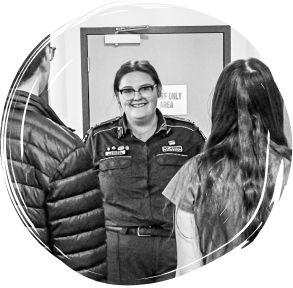
Alana Cornish: I went to falls. So at 16, I went to falls as a training exercise before I went and competed in my first ever national competition. So, I work alongside paramedics, nurses, doctors who have done a range of different things. So, I was like, well, this sounds fun. Why don’t I do this for the rest of my life?
John Ward: I thought I might have become a gardener. I thought I might become, you know, a landscaper. I don’t know. That was where I was thinking I was gonna head but definitely not. So I finished up in health as a bureaucrat. But again, that was a St. John connection.
Melissa Oxley: Back then, there was no excuse for not being at duty on time, wearing a uniform. And just then what that represents and you know, that professionalism and learning that level of professionalism as a 12-year-old, I don’t think we have that in our current society.
Damian Kaushik: I think personally as well, just coming through the cadet program, I’ve definitely seen a change in my own I guess my own confidence just generally, not just around the clinical side of things, but just generally on my day to day. For example, in my professional life, I’m an accountant, so in my professional life, it is just, you know, working in smaller teams, being able to lead, manage effectively, being able to voice concerns or speed up when I need to.
So I think that confidence, I contribute that to my time as a St. John youth member.
Rachel Crennan: Being a cadet definitely influenced my wanting to continue to help people and continue to do first aid work.
Tim Duncan: So it gave me a lot of skills in dealing with people on those sorts of levels, you know, who to look for when recruiting, how people manage their training, whether they’re gonna be a good fit for an organization, that sort of stuff.
Sally Hasler: St. John hugely fast tracked my experiences and skills and my broader career and personal development, and I think it’s given me a broader group of skills and capabilities as a young person and as an adult, and that’s really been a defining factor in my career and my progression.
Career Impacts conversation
Contributers
Noel Hender

1957
Robert Tremethick
1972
Alan Brown
1974
Malcolm Knight
1980
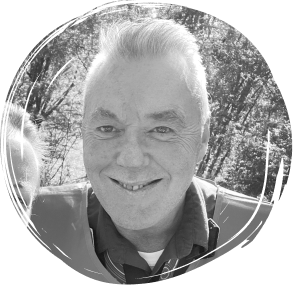
Robert Wilson
1981

Carl Graham
1985
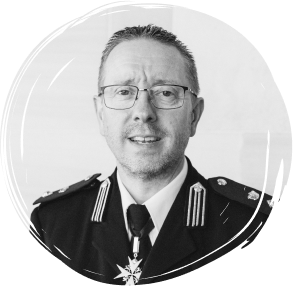
John Ward
1986
Melissa Oxley
1987
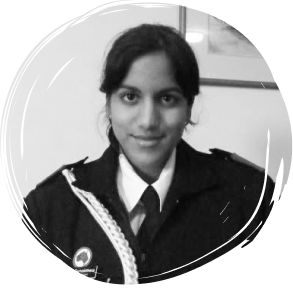
Shevera Gunasekera
2004
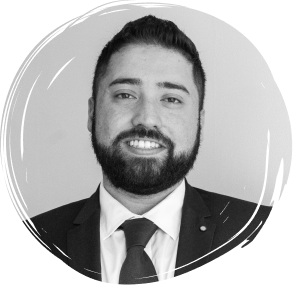
Damian Kaushik
2009
Stephanie Ave
2009
Rachel Crennan
2009
Alana Cornish
2016
Jodie
Sally Hasler
Tim Duncan
