
Conversation Themes
Choose Theme
Impact on Community

For 100 years, young people have joined the St John Ambulance Youth and Cadet program for many reasons — learning first aid, making friends, and giving back to their community. These stories share what motivated them to join and stay part of this remarkable program.
Listen to our stories
- 0.5x
- 0.8x
- 1x
- 1.2x
- 1.5x
- 2x
View Transcript
Allan Brown: One of the things that comes to mind when I look at, you know, memorable stories, there’s a small little story where we used to act as cadets and go and mow the lawn of a lady who was in one of the streets around us. She could no longer do it herself, but to keep her at home, we were able to contribute in a meaningful way. And we would turn up in the back of a van and we’d have three lawn mowers and we’d all get out there. And in today’s world, it’d be all quite inappropriate because worker health and safety wasn’t what it was. But to see the appreciation on her face was amazing.
Melissa Oxley: If you give children the opportunity to put on a uniform and, you know, turn up to work and treat them with that respect, I mean, how could they not become valued members and adults in our communities?
Malcom Knight: As a name that if somebody mentions St. John, people will have some idea of what St. John Ambulance does. Because we are always there supporting the community at different events and it is hard to quantify. There would be a great many potential patients that might present at hospitals that don’t because of the preventative work that St. John does step in at our level. But also more and more we are there in times of emergency.
Jessica Robson: At the Easter show and you go, oh, there’s a St. John person, ifI need help, that’s who I’m gonna go to. The people that catch the train there, they catch the train and they’re putting on a show for St. John. Like, they may not necessarily be treating someone, but they’re in uniform. They’re following the rules and people know, okay, well that’s who we need to go to when help’s needed.
Malcom Knight: That connection is always there with St. John for the community. Even for somebody who doesn’t have time to be part of St. John now or people who go through cadets leave, go on to work. And then they come back to St. John later, or they tell somebody about St. John.
Alana Cornish: I think the best one is I’ve had a lot of the kids come to me and say, well, this happened to my family member and I did this. And I was like, perfect. You know, you’re building people who fall under the Good Samaritans Act, so they’re free to treat and not be liable.
Damian Kaushik: That feeling when we go to a local event or, you know, we’re there and you know, people always go, oh, you know, it’s the St. John people here we are, we’re great. We’re gonna be okay.
Rachel Crennan: It raised a lot of awareness that way as well on how younger people can be involved in helping the community opposed to doing things that weren’t helpful within the community.
Alana Cornish: So I think the best money is when we have the kids doing CPI demos here and they get kids their own age. It’s great, you know how to talk to them, I don’t.
Mawdsley Alan: I think of all the things that St. John has done in recent years, the free teaching first aid in schools will be one of the things that actually strengthens that popularity of the organization in the eyes of the community, because the vast majority of the kids are not gonna have anything to do with St. John directly. But they will remember having done First Aid.
Robert Tremethick: St John had played a huge part in the cyclone in 1975, 74 Christmas. It was not the. Full-time ambulance service. It was a part-time ambulance service and operated after hours. Basically took over as the full-time ambulance service. So it was slowly growing.
Melissa Oxley: Well, back in my day, so in the late eighties and nineties, we were entwined in other programs. So we were, you know, entwined in the CFA because if there were fires or bush fires, they’d call an John ambulance to support them.
David Heard: You know, there was actually a Joe Myron out on Glenlyon Road who had a private ambulance. The South Australian Ambulance Transport Group had set up three groups at Hindmarsh Port Adelaide, and there was another group that set up an ambulance out of prospect. And eventually it got that way where sometimes at an accident scene there’d be three ambulances front up.
Tim Duncan: The period that I grew up in the seventies was like the hippie thing was all behind [us], it was a bit of a non-entity sort of a time. You know, our parents were from the wartime generation. They’d been through hell. We had a pretty easy time, there were no real problems. Vietnam was behind us. My generation didn’t do that. We were too young for that, so we didn’t have any difficulty. So a lot of kids sort of just hung around, you know, and didn’t take on something. And I know St. John was seen by some of my friends as a bit daggy, but that’s okay. You learn to cope with that and realize that every time you help somebody, it doesn’t matter how daggy it is, you’re helping somebody. So I think it on that macro scale, I think it helped.
Alan Mawdsley: When I rose through the ranks and was on St. John Council I had no hesitation saying that cadets are important for St. John. Not just as some kind of early entry pathway for adult members, which is great when it is, but as a citizenship service to the whole community and to the lives of those young people, even if they’ve left and never do any St. John duties ever after.
Shevera Gunasekera: But when you’re part of the community, it’s about servicing the community, understanding how you can help the community too. And seeing how people are happy. ‘Cause there’s something really nice about seeing someone happy about something you’ve done or seeing someone grow just through their growth.
Carl Graham: I think where there are opportunities today in our changing world is to come back to the things where we have our history. We are a humanitarian organization for the service of humanity, helping those in suffering and distress.
Impact on Community conversation
Contributers
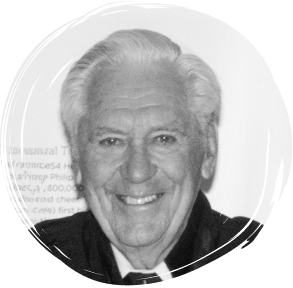
David Heard

1944
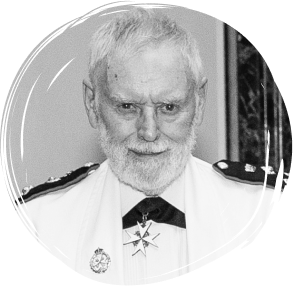
Allan Mawdsley
1949
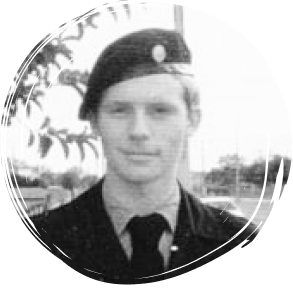
Robert Tremethick
1972
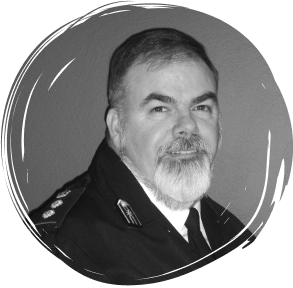
Alan Brown
1974
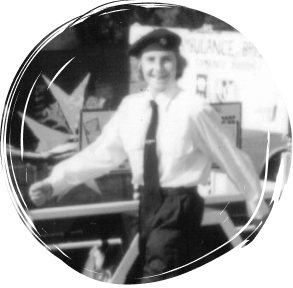
Malcolm Knight
1980

Carl Graham
1985
Melissa Oxley
1987
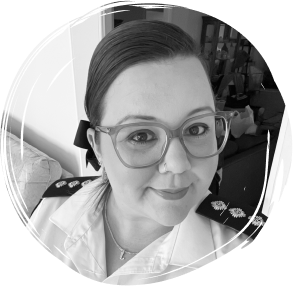
Jessica Robson
2003
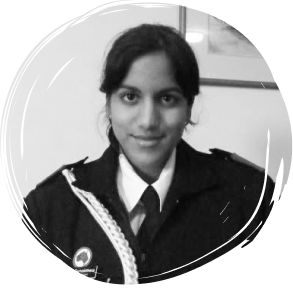
Shevera Gunasekera
2004

Damian Kaushik
2009

Rachel Crennan
2009
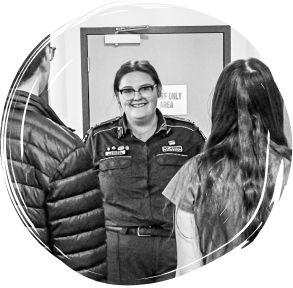
Alana Cornish
2016
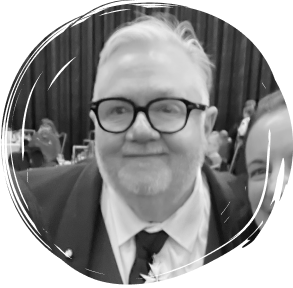
Tim Duncan
