
Conversation Themes
Choose Theme
Other Life Impacts

For 100 years, young people have joined the St John Ambulance Youth and Cadet program for many reasons — learning first aid, making friends, and giving back to their community. These stories share what motivated them to join and stay part of this remarkable program.
Listen to our stories
- 0.5x
- 0.8x
- 1x
- 1.2x
- 1.5x
- 2x
View Transcript
Alan Brown: The impact St. John had on me, both professionally and personally was profound. As a cadet, I was introduced obviously to first aid, but we were also introduced to home nursing. Now, that was a significant part of what St. John did in those days.
Jodie: It did lead me on to joining the Army Reserve as a medic. Just that foundation for helping people and learning about the body and understanding, you know, with the types of bleeds or hemorrhages and how to control them, how to, you know, fractures and unconscious people. And it just sort of grew from there.
Carl Graham: I still draw upon those opportunities St. John gave me through leadership and development programs. Programs like what used to be the Chancellor’s Leadership Program to then go on to, you know, be a leader in my professional life.
Robeson Jessica: Scenario nights, they take you outta your comfort zone because you’re not expecting what’s happening, but it’s preparing you for, if you are out in the real world and you come across a car accident, what can you do to help the person just by simply knowing dare, S-A-B-C-D isn’t enough to help save someone. If you can understand some of the underlying things behind it. So as a youth, we ask so many questions, we are always learning.
Noel Hender: We tend to have an end of year Christmas function. And to me as a cadet, that was always very exciting because we’d get a little gift from the adult division and we’d mix with the adult members and there’d be, you know, lots of food and drink and all that going on.
So, we always had an enjoyable time. And I remember it very fondly because there was, you know, one of the ladies who was a wife of the adult superintendent down there at the time. It was the lady who used to always put that on and throw a tremendous show for the young people.
Allan Mawdsley: Free time activities that are shaped rather than you know, training sessions is something that you learn to do, which actually is very valuable for you in other areas of adult life when you become a parent and so on.
Melissa Oxley: St. John Ambulance as a child was my social life. I, it turned out from the ages of 12 to 18 that I didn’t hang around with friends from school. In fact on weekends, my friendship group was my St. John Ambulance friends.
John Ward: I’ve learned significant things, things that I’d never do in life that you know, going overseas, royal visits backstage of events, you know, meetings with government, meetings with all sorts of people. And met so many wonderful people. So meeting those people, you know, they become lifelong friends. Some are still in St. John’s, some are outside St. John’s. So it almost became like my golf or, you know, so people take up golf and go golfing every Saturday.
Rachel Crennan: I learned a lot about how to be involved in the community. It taught a lot of structure and a lot of leadership skills that I still use today, like in different parts of the community involvement that I do now, but definitely took me out of my shell in being able to help people in public and stuff like that as well.
John Ward: Someone in St. John, who worked at New South Wales ambulance at the time sent, got an email sent that went around St. John saying they were looking for volunteers. Nothing to do with St. John, but he is looking for volunteers that had a bit of a medical background to go and help at the Gallipoli ceremonies. So another, me and another guy from St. John said, oh yeah, we might apply. Well, I wouldn’t mind going to Gallipoli. So we applied, and then while on that tour, I met my wife.
Shevera Gunasekera: I don’t think I ever entered a school camp, but my mom would happily send me to a nut camp where I knew no one because she trusted the organization so much.
Jo-Anne Crennan: My rebellious years from just after 21 was, you know, all my mates were going out clubbing and drinking and all that. My rebellious time was when I’m not doing St. John.
Steph Ave: The reason why I’ve stayed out of the organization is because since I was a youth member, I’ve made such strong friendships with people from the age of 14 to my age now, 30 something, but we’ll go with that. I’m still friends with them to this day. And a lot of them are quite close friends.
David Heard: My four children all joined up as a cadet. They all moved up into the adult division for a while, but because of work and commitments and everything, there’s only one. My daughter, my youngest daughter, Lorna, has stayed with it all these years and she’s now the superintendent of the West Orange Division, which I’m quite proud of.
Lyn Dansie: My father, my brother and myself were involved and my mother, she always used to help with what we used to have to raise money for uniforms and all those things, and they’d have cake stores and different other activities to raise money, you know, for the divisions.
Susan Robertson: We really had to study and we really needed to do our work. And considering that our family is riddled with ADHD, I think it was the best ADHD treatment that you could have in those days.
Sally Hasler: When I think about St. John, I just think about growing up in the organization effectively. So, I spent Thursday nights and often weekends at the divisional Hall in Lacey Street, Croydon, where it still is. I spent the holidays at St. John Camps. I spent, you know, many weekends doing leadership training programs and proficient proficiency badges and government house parades and what we call them, cadet socials.
Robert Wilson: I mean, they not only teach you how to just put a bandaid on. They don’t just teach you just how to make your cup of tea, but they teach you how to be compassionate and how to listen.
Sally Hasler: The training and the skills that I got from my time as a cadet have been with me for my entire life. It helps me to really feel safe often in unsafe situations. I think it’s allowed me to apply common sense in a way, not just beyond first aid, but in making decisions in difficult situations, in understanding health and wellbeing, in looking after your body and making good decisions. I think that broader education from St. John has been really critical to making good, safe decisions in life.
Melissa Oxley: And my point is, you put on, you ask a 12-year-old to put on a uniform that represents something that for them is so important, you know, and you’ve got the pride of your family and the parents going, oh, my child is working as an officer, you know, as a first aider. But you put a uniform on someone and tell them to turn up, be responsible and you give them the opportunity to prove themselves to you. You know, and they do it. You know, there’s something really special about that, that you take for the rest of your life, that you will take forward in the rest of your life. So, you know, we were trained to wear our uniform with pride. It had to be ironed, you know, we had to have our shoes shiny.
Tim Duncan: Yeah. I guess on a sort of on a larger scale I actually think it’s made me a reasonably decent person or helped make me a reasonably decent person where I like to think, I think of others sometimes to my own detriment, people tell me, but I like to think that’s a good thing that I learn from St. John.
Robert Tremethick: I think that the cadets set me up for a full-time job in the ambulance service, but at the same time, it set me up for good quality skills within being a normal, you know, a person that gave you good morals, good leadership skills.
Melissa Oxley: And so many years later I’ve been presented, oh, look, things have happened in front of me many times and I hadn’t done a recent first aid course. But you know, I know that I could probably be more proficient in first aid, rendering first aid than maybe someone who’s, you know, recently done a course, but, you know, never had to before.
Shevera Gunasekera: It inspired me personally as well, it shaped the person I am today. That’s all I can explain, it showed me how independent I can be, how confident I can be as well. I had very low confidence as a team and I credit St John, and so does my parents actually, for my confidence.
Other Life Impacts conversation
Contributers
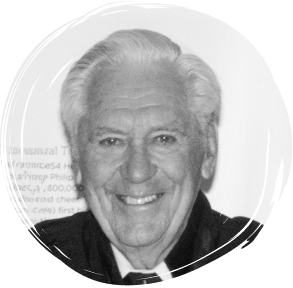
David Heard

1944
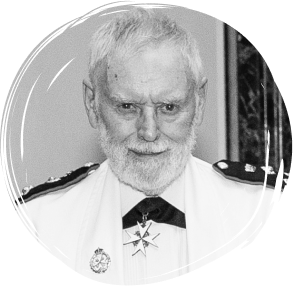
Allan Mawdsley
1949
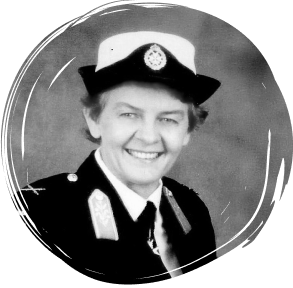
Lyn Dansie
1949
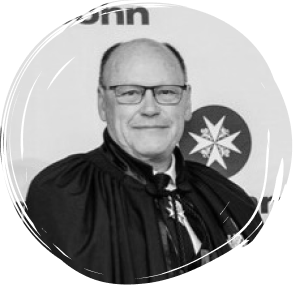
Noel Hender
1957
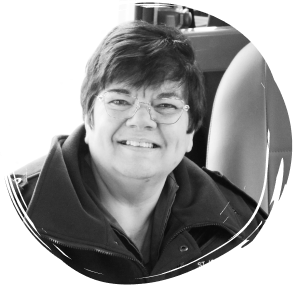
Susan Robertson
1969
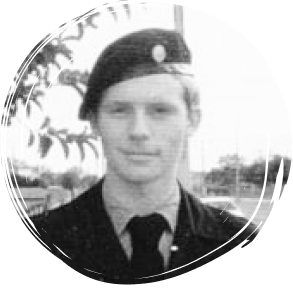
Robert Tremethick
1972
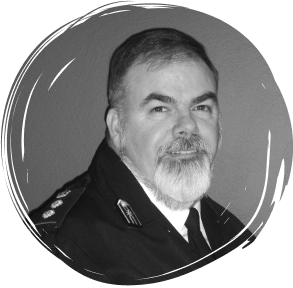
Alan Brown
1974
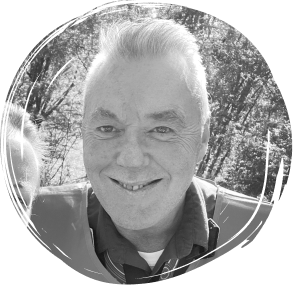
Robert Wilson
1981

Jo-Anne Crennan
1983
Carl Graham
1985
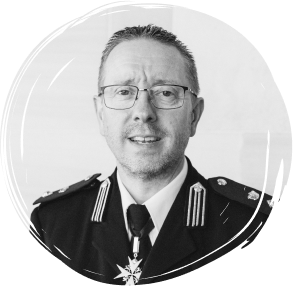
John Ward
1986
Melissa Oxley
1987
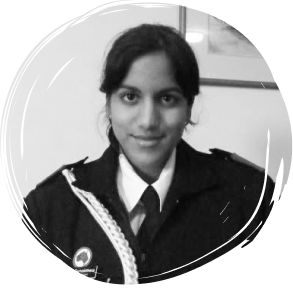
Shevera Gunasekera
2004
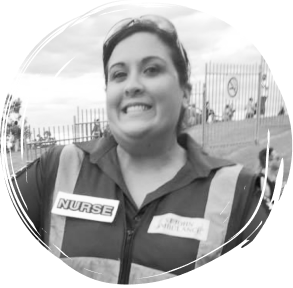
Stephanie Ave
2009
Jodie
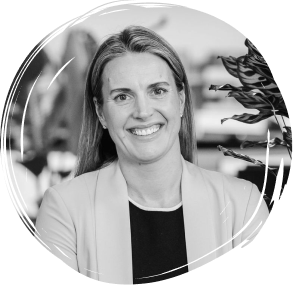
Sally Hasler
Tim Duncan
